Finding water in your basement can be frustrating, especially when the source is not immediately obvious. Basement water can appear as a small damp spot, water along a wall, moisture around a crack, or significant pooling after heavy rain.
Because basements are located below ground level, they are naturally exposed to moisture in the surrounding soil. Drainage problems, foundation cracks, groundwater, grading, and other conditions can give that water a path into the home.
At A+ Waterproofing & Foundation Repair, we help homeowners identify where basement water is coming from and determine the appropriate way to address it. Understanding the cause is an important first step toward keeping your basement dry and protecting your foundation.
TL;DR: Common Causes of Basement Water
- Foundation cracks can provide an entry point for water.
- Poor exterior drainage can allow water to collect near the foundation.
- Improper grading may direct rainwater toward the house.
- Groundwater can create pressure against basement walls and floors.
- Problems with drainage systems or sump pumps can contribute to water buildup.
- Identifying the source of the water helps determine the appropriate waterproofing solution.
Can Water Enter Through Foundation Cracks?
Cracks are one potential path for basement water.
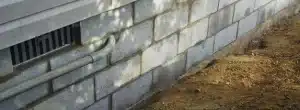
Concrete and masonry foundations can develop cracks for several reasons, including normal movement, settlement, soil pressure, and changes over time. When water accumulates in the soil outside the foundation, it may find its way through these openings.
Not every foundation crack has the same cause or requires the same repair. A professional evaluation can help determine whether a crack is primarily a water-entry concern or a sign of a larger foundation problem.
Can Poor Grading Cause Basement Water?
The ground around your home should help direct water away from the foundation.
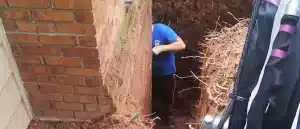
If the soil slopes toward the house, rainwater can collect alongside basement walls instead of moving away from the structure. Over time, this can increase the amount of moisture surrounding the foundation and create opportunities for water intrusion.
Correcting drainage and grading concerns can therefore be an important part of addressing certain basement water problems.
What Is Hydrostatic Pressure?
After periods of rain or when groundwater levels rise, the soil surrounding a foundation can become saturated.
This water can create hydrostatic pressure against basement walls and beneath the floor. When enough pressure develops, water may move through cracks, joints, porous materials, or other vulnerable areas.
This is one reason basement water problems may appear or become more noticeable after prolonged or heavy rainfall.
Why Is Finding the Source Important?
A wet basement is a symptom, but the visible water does not always reveal the underlying cause.
Simply addressing the area where water appears may not solve the larger problem. The source could involve a foundation crack, groundwater, exterior drainage, grading, or a combination of conditions.
Identifying why water is entering allows the waterproofing solution to address the actual problem rather than only the visible effects.
Why Choose A+ Waterproofing & Foundation Repair?
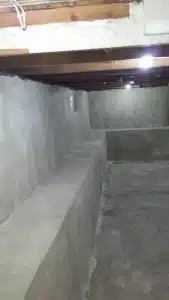
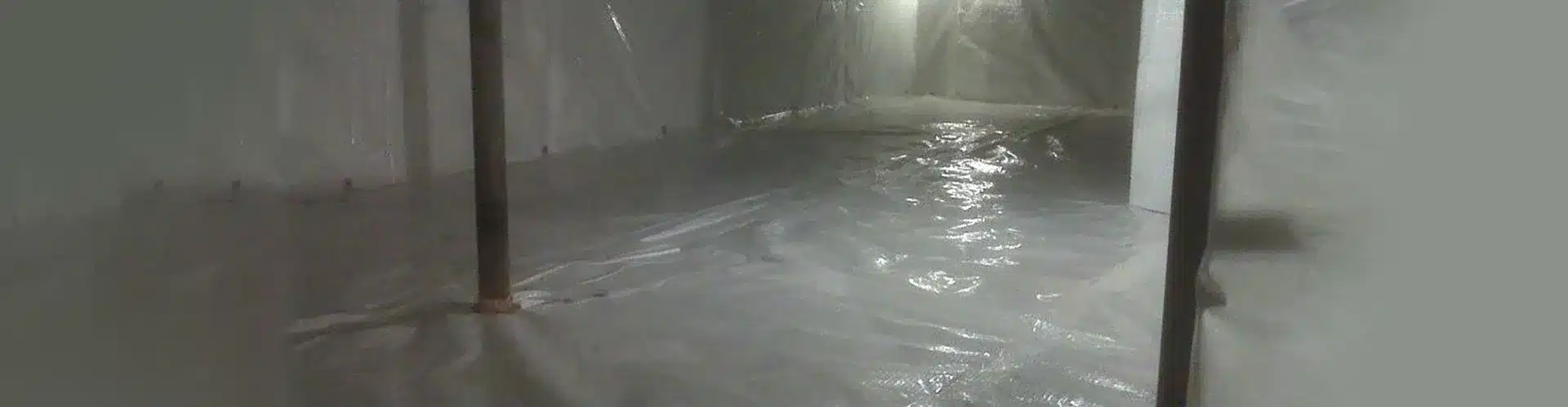
At A+ Waterproofing & Foundation Repair, we provide basement waterproofing, foundation repair, drainage solutions, sump pump installation, crack repair, and other services for homeowners throughout the Lehigh Valley and Poconos.
Our team evaluates the conditions affecting each property before recommending a solution. Whether basement water is related to drainage, foundation cracks, groundwater, or another issue, we can help determine an appropriate approach for protecting your home. Contact us today to get started.
Frequently Asked Questions
Why does my basement only leak during heavy rain?
Heavy or prolonged rain can saturate the soil around your foundation, increasing water pressure and exposing weaknesses in drainage or waterproofing systems.
Does basement water always mean there is a foundation problem?
Not necessarily. Water can enter for several reasons, including drainage, grading, groundwater, or cracks. An evaluation can help identify the underlying cause.
Should I have a small basement leak inspected?
Yes. Even a small or occasional leak can indicate a water-management issue that may continue or worsen over time.