As the snow melts and spring rains begin in Bath, PA, homeowners should prioritize preparing their basements for potential water damage. At A+ Waterproofing & Foundation Repair, we understand the challenges that come with seasonal transitions and are here to help you safeguard your home with basement maintenance
Why Spring Is Critical for Basement Maintenance
Spring in Bath brings increased rainfall and thawing snow, leading to higher groundwater levels. These conditions can overwhelm your basement’s defenses, especially if it’s older or hasn’t been properly maintained. Even minor leaks can escalate into significant issues, including mold growth, structural damage, and costly repairs.
Step 1: Inspect for Signs of Water Intrusion
Begin by checking your basement for any signs of water intrusion. Look for:
-
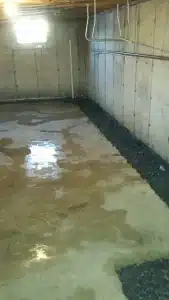
Damp spots or puddles on the floor
-
Water stains or efflorescence (white, powdery residue) on walls
-
Musty odors indicating mold or mildew
-
Cracks in walls or floors that may allow water entry
If you notice any of these signs, it’s essential to address them promptly to prevent further damage.
Step 2: Clean and Maintain Gutters and Downspouts
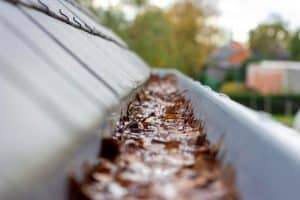
Clogged gutters and downspouts can cause water to overflow and seep into your basement. Ensure that gutters are free of debris and downspouts direct water at least 3 to 4 feet away from your home’s foundation. This simple maintenance step can significantly reduce the risk of water intrusion.
Step 3: Check and Maintain Sump Pumps
Your sump pump is your first line of defense against basement flooding. Test it by pouring water into the sump pit to ensure it activates and drains properly. If your pump is over five years old or showing signs of wear, consider replacing it. Installing a battery backup system can also provide peace of mind during power outages.
Step 4: Seal Cracks and Gaps
Inspect the foundation walls and floors for any visible cracks or gaps. Even small openings can allow water to enter. Use a high-quality masonry sealant to fill these cracks. For larger issues, consult with a professional to assess the need for more extensive repairs.
Step 5: Consider Professional Waterproofing Solutions
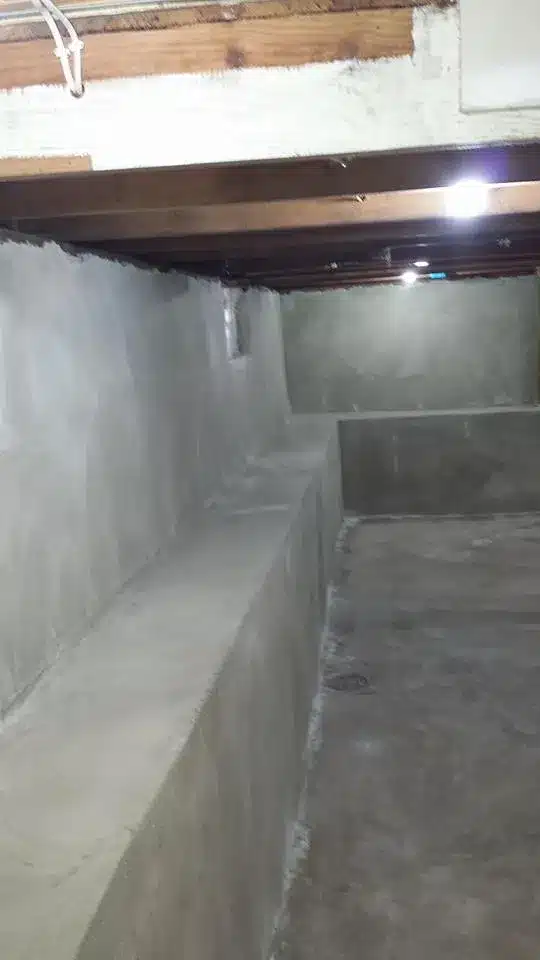
If your basement has a history of water problems or shows signs of recurring issues, it may be time to invest in professional waterproofing solutions. A+ Waterproofing & Foundation Repair offers services such as:
-
Interior and exterior waterproofing systems
-
French drain installation
-
Wall crack repairs and foundation stabilization
-
Crawl space encapsulation
Our team has over 20 years of experience serving the Bath and Lehigh Valley areas, providing reliable and effective waterproofing solutions tailored to your home’s needs.
Step 6: Regular Basement Maintenance and Monitoring
Even after addressing immediate concerns, regular maintenance is crucial. Periodically inspect your basement, especially after heavy rains, to ensure that your waterproofing measures remain effective. Regular maintenance can catch potential issues early, saving you time and money in the long run.
Protect Your Home This Spring
Don’t wait for a small issue to become a major problem. Contact A+ Waterproofing & Foundation Repair today for a comprehensive basement inspection and personalized waterproofing solutions. Serving Bath, PA, and the surrounding Lehigh Valley area, we’re committed to keeping your home dry and safe.